How to Choose the Best Stone Tiles for Your Home?
Picking the right stone tiles for your home can honestly feel a bit overwhelming sometimes. With so many options out there, it’s really helpful to understand what each type offers. I saw a recent report from the National Association of Home Builders that mentioned over 35% of homeowners actually prioritize tile quality when they’re renovating — that pretty much shows how important it is!
A guy I know in the industry, Robert Smith from Stone Solutions, put it pretty well when he said, “Choosing the right stone tiles blends both looks and practicality.” It’s a good reminder that you’re not just after something that looks nice — durability and function matter too. When picking tiles, it’s smart to think about things like style, how much maintenance they’ll need, and how well they’ll hold up over time.
And here’s the thing — not all stones are created equally. Some might need a lot more upkeep, while others are built to last much longer. It really depends on your lifestyle and what you’ll use the space for. Adding stone tiles can totally upgrade your home, but if you pick the wrong ones, it might lead to some regret down the line. So, it’s worth taking the time to choose wisely!

Factors to Consider When Choosing Stone Tiles for Your Home
Choosing the right stone tiles for your home involves various factors. The appearance of the tiles matters. You want colors and textures that complement your decor. Light-colored tiles can make a space feel larger. However, darker tiles can add warmth and character. Consider the room's function too. A bathroom may need slip-resistant options, while a kitchen can handle more durability.
Another crucial aspect is the tile's finish. Polished tiles look elegant but can be slippery. Honed finishes offer a matte look, which is often safer. Think about maintenance as well. Some stones require regular sealing to prevent stains, while others are more forgiving. It’s important to acknowledge that these choices can be overwhelming.
Lastly, don’t forget about the installation process. Different stones can vary in complexity. Some styles may require professional help, while others can be DIY. Reflect on your skills and budget when planning. Understanding these factors will guide you in selecting the best stone tiles for your home.
Types of Stone Tiles: Natural vs. Engineered Options
When choosing stone tiles, understanding the difference between natural and engineered options is crucial. Natural stone tiles, such as granite, marble, and slate, are prized for their unique beauty and durability. According to the National Kitchen and Bath Association, natural stones are favored by 70% of homeowners for their aesthetic appeal. However, they come with vulnerabilities. They can be prone to scratching and staining if not properly sealed.
Engineered stone tiles offer a different set of advantages. Made from quartz and resin, they provide consistent colors and patterns. They are often more resistant to staining and wear, making them suitable for high-traffic areas. A study by the Stone Tile and Paving Association reveals that 65% of designers recommend engineered stones for durability and ease of maintenance. Yet, some critics argue they lack the unique character of natural stones.
When selecting between these two types, consider your lifestyle and the intended space. A busy family may prefer engineered tiles for their resilience. On the other hand, a serene bathroom might benefit from the elegance of natural stone. Each option brings its own set of challenges. Think about the long-term care required for natural stones versus the initial installation cost of engineered alternatives. Choices should align with both personal style and practical needs.
Understanding Stone Tile Durability and Maintenance Requirements
When choosing stone tiles for your home, durability is a critical factor. Different types of stones vary in strength and resistance to wear. Granite offers excellent durability and is highly resistant to scratching. Marble, while beautiful, can be more susceptible to stains and etching from acidic substances. Selecting the right stone requires understanding its properties and limits.
Maintenance must also be considered. Most stone tiles need sealing to prevent moisture penetration and staining. A routine cleaning regimen is essential for longevity. Simple soap and water often suffice, but some stones may require specialized products. Remember that neglect can lead to costly repairs down the line. Regular upkeep ensures your stone tile maintains its beauty over time.
Reflect on your lifestyle when selecting tiles. Families with children or pets may need tougher options, while a quiet space might allow for more delicate materials. No single choice is perfect; each has its trade-offs. Weigh the aesthetics against the practicalities of durability and maintenance before deciding.
Color and Texture: Enhancing Your Home's Aesthetic Appeal
Choosing the right stone tiles can greatly enhance your home's aesthetic appeal. Color and texture are essential factors to consider. Light colors can make a space feel larger. Darker shades add warmth and elegance. Mixing different colors might create a unique look, but it’s crucial to maintain harmony.
Texture plays a vital role in visual interest. Smooth tiles offer a sleek, modern vibe, while rough surfaces provide a rustic charm. You might want to consider how the texture feels underfoot. A highly textured tile can be challenging to clean. You should think about your lifestyle and maintenance needs when selecting.
Experimenting with stone tiles can be rewarding. Combining various materials, like marble and granite, encourages creativity. However, be cautious of overwhelming contrasts. Subtle variations often work better together. Remember, the right color and texture can transform your spaces, but finding the perfect balance takes time and thought.
Selecting the Right Size and Shape of Stone Tiles for Your Space
When selecting stone tiles, size and shape can dramatically affect your space. Large tiles can create an illusion of spaciousness, while smaller tiles work well in compact areas. Consider the proportions of your room. A spacious floor may benefit from larger, rectangular tiles. Conversely, a small bathroom might feel more grounded with square tiles.
Tips: Think about the layout. Diagonal patterns can add interest and make a small area appear larger. Paneling larger tiles in a grid can simplify patterns and project a modern look.
Shape also matters. Rectangular tiles can elongate spaces and draw the eye upward. Curved or unusual shapes can introduce an artistic flair. Both can enhance the room's functionality and aesthetics.
In some cases, long, narrow tiles can feel overwhelming in small spaces. Reflect on your style preferences. Not every tile suits every room. A heavy stone may look impactful but could be too overwhelming in a cozy environment. Always visualize how the tiles will complement existing decor.
Budgeting for Stone Tiles: Costs and Installation Considerations
When budgeting for stone tiles, it’s essential to understand both the costs involved and the installation considerations. Stone tiles can range widely in price, with average costs typically between $5 to $15 per square foot. High-end choices like marble or granite may exceed these averages, costing up to $30 per square foot. According to industry reports, the demand for natural stone is growing, pushing prices higher in some regions.
Installation is another significant cost to consider. Professional installation can add $5 to $10 per square foot on top of the material cost. It’s crucial to hire experienced installers. Many reports indicate improper installation leads to issues down the road, including cracking and uneven surfaces. Take time to research qualified professionals. Some homeowners attempt DIY installations, which can save money but might result in costly mistakes.
Moreover, factor in additional expenses such as underlayment and grout. These can add up quickly. A reliable estimate includes about 10% extra for waste and errors, especially for complex designs. Understanding these costs and planning accordingly can lead to a more satisfying final product. Balancing budget constraints with the quality of materials and expertise in installation can be a delicate task.
How to Choose the Best Stone Tiles for Your Home? - Budgeting for Stone Tiles: Costs and Installation Considerations
| Type of Stone Tile | Average Cost per Square Foot | Installation Cost per Square Foot | Durability Rating | Maintenance Level |
|---|---|---|---|---|
| Granite | $5 - $15 | $4 - $10 | High | Medium |
| Marble | $10 - $20 | $6 - $12 | Medium | High |
| Slate | $7 - $15 | $5 - $10 | High | Low |
| Limestone | $4 - $10 | $3 - $8 | Low to Medium | High |
| Travertine | $5 - $15 | $4 - $10 | Medium | Medium |
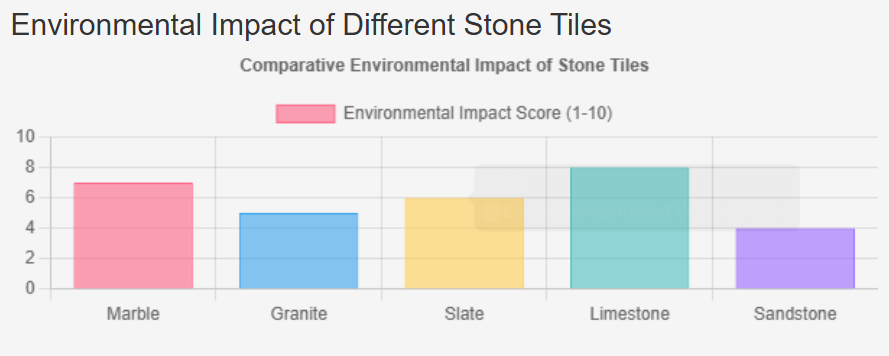
Environmental Impact: Sustainable Choices in Stone Tile Selection
When selecting stone tiles, consider their environmental impact. Natural stones like granite and marble have unique beauty, but their extraction can be damaging. The quarrying process often disrupts local ecosystems, leading to habitat destruction. Understanding these effects is crucial for making informed choices.
Opt for stones sourced from sustainable quarries. Reputable suppliers often follow strict guidelines to minimize their ecological footprint. It’s essential to ask about their practices. Some quarries use innovative methods that reduce waste and conserve water. This can make a significant difference in preserving the environment.
Recycled stone tiles present another sustainable option. These materials, repurposed from construction sites, reduce waste and demand for new resources. Choosing these tiles can also add character to your space, telling a story of sustainability. Every small choice counts, and reflecting on the source of your materials can lead to more responsible decisions in home design.
FAQS
: How can the right color of stone tiles impact my space?
: Light colors make a space feel larger, while dark shades add warmth and elegance.
Why is texture important when selecting stone tiles?
What should I consider about tile maintenance?
How do the size and shape of tiles affect my room?
What layout tips can enhance a small area with tiles?
What are the typical costs for stone tiles?
Why is professional installation important?
What additional costs should I consider when budgeting?
Can DIY installations save money?
How can balancing budget and quality be challenging?
Conclusion
When choosing stone tiles for your home, it is essential to consider various factors to ensure you make the best selection. Start by distinguishing between natural and engineered stone tiles, as each has unique characteristics. Durability and maintenance requirements are crucial aspects, as different types of stone tiles offer varying levels of resilience and upkeep efforts.
Additionally, color and texture play a vital role in enhancing your home's aesthetic appeal, so it's important to select options that complement your interior design. The size and shape of the tiles can affect the overall look of your space, while budgeting for both the cost of the stone tiles and installation is essential for financial planning. Finally, choosing environmentally friendly options contributes to sustainable living practices, making it important to consider the ecological impact of your selections.
CATEGORIES
Payment Support
-
Below payment terms accpeted by us :
1.Telegraphic Transfer(TT);
2.Irrevocable L/C at Sight;
3.100% Full Cash;
4.Credit Payment (After Becoming Our Old Client For One Year);
5.You could get prices lower than our costs after US$10,000 is recharged into your VIP card, which is valid in half year.