What is Stone Customized Design for Global Buyers?
In today’s fast-changing global market, 'Stone Customized Design' has really taken off as a go-to trend for folks looking for something unique and classy. It’s all about customizing stone pieces to match personal tastes, making sure each one fits perfectly into its space. Companies like XYZ Stoneworks have been leading the charge, showing off how skilled they are at turning natural stone into standout designs.
The process usually involves a pretty close back-and-forth between designers and clients—kind of like team effort—to bring those visions to life. They use some pretty cool tech alongside traditional craftsmanship, which helps produce really top-notch results. That said, keeping costs in check while still delivering custom work isn’t always easy. Every project needs careful planning and a bit of extra attention to make sure it lines up with what the client had in mind.
If you're thinking about jumping into 'Stone Customized Design,' it’s good to understand these little complexities. You’ll want to find that sweet spot between making something totally unique and keeping it practical and doable. It often takes some thought from both sides to get it just right. But with a bit of smart decision-making, you can totally navigate this exciting world of custom stone design and come out with something truly special.

What is Stone Customized Design for Global Buyers?
Stone customized design has emerged as a vital solution for global buyers seeking unique and tailored offerings. This trend reflects a growing demand for personalization within the stone industry. According to recent market reports, the global stone market size was valued at approximately USD 37 billion in 2022 and is expected to grow significantly. Custom designs cater to specific project needs, allowing buyers to select colors, textures, and finishes that align perfectly with their vision.
The process involves a detailed understanding of the buyer's requirements. Collaboration between designers and clients plays a key role. Designers must be well-versed in various stone types and their properties to create effective solutions. A buyer might find that what looks great on paper doesn’t always translate perfectly to the physical product. Miscommunication can lead to disappointments. It is essential to discuss expectations early on to avoid misunderstandings.
When considering customized stone design, assess your project needs closely. Visual examples can bridge the gap between ideas and reality. Ensuring your selected provider uses advanced technology can also enhance accuracy in designs. In addition, seek feedback from prior clients to gauge reliability. Customization can lead to remarkable results, but it also requires careful planning and open communication to achieve the desired outcomes.
What is Stone Customized Design for Global Buyers?
| Dimension | Details |
|---|---|
| Material Used | Marble, Granite, Quartz, Limestone |
| Customization Options | Cutting, Finishing, Sizing, Engraving |
| Target Markets | Architects, Designers, Homeowners, Builders |
| Common Products | Countertops, Tiles, Vanities, Sculptures |
| Production Time | 2-6 weeks depending on complexity |
| Sustainability Practices | Recycling waste, Eco-friendly sourcing |
Understanding the Concept of Customized Stone Design
Customized stone design is an innovative approach that caters to the unique needs of global buyers. This concept allows homeowners and businesses to incorporate their personal style into functional structures. Customized stone can range from countertops to facades, each piece tailored to specific dimensions and aesthetics.
The beauty of customized stone lies in its versatility. Buyers have the option to choose colors, textures, and finishes. This process is not just about personal preference; it also requires technical knowledge. Buyers must understand the properties of different stones and how they fit within their intended environment. For instance, softer stones may work beautifully in a decorative setting but may not be suitable for high-traffic areas.
However, creating customized stone solutions is not without its challenges. Sourcing the right materials can be difficult, and there may be limitations based on availability. The design process demands close collaboration between architects, designers, and suppliers. Reflecting on these complexities is crucial for ensuring the final product meets both aesthetic and functional needs. The journey of customized stone design can be rewarding but also requires patience and careful consideration.
Key Benefits of Customized Stone Design for International Clients
Customized stone design offers unique advantages for international clients. The ability to tailor materials and finishes can lead to remarkable results. It engages both the client’s vision and preferences, ensuring a product that genuinely reflects their identity. Buyers gain access to exclusive patterns and colors that are not available in standard offerings. This level of personalization adds value to the final product.
Clients benefit from expert collaboration throughout the design process. Designers with specialized knowledge guide clients, providing insights that enhance aesthetic appeal. Feedback from clients is essential in shaping the design. This back-and-forth allows for adjustments that meet specific needs and desires. However, the process can demand time and patience. Clients must be prepared for multiple revisions to achieve perfection.
Customization also presents challenges. Sourcing specific stones can be difficult, impacting timelines. Clients may face decisions about trade-offs between design and durability. This complexity requires clear communication between all parties involved. Understanding the material characteristics is crucial for a successful outcome. Each choice can significantly affect the final project. Embracing this journey often leads to remarkable results that enhance spaces worldwide.
Popular Types of Stones Used in Customized Designs
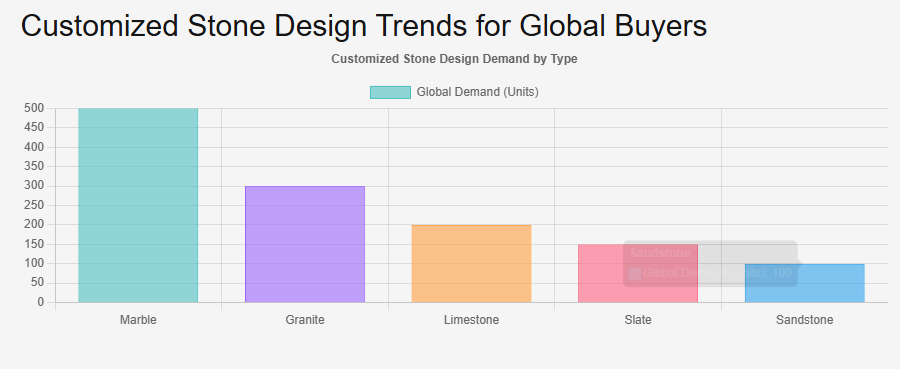
Customized stone design has gained popularity among global buyers for its unique aesthetic appeal. Various types of stones serve as the foundation for these designs. Each stone brings its character and charm, creating personalized spaces. Marble is a classic choice, known for its elegance and durability. It is often used for countertops and flooring, making any area feel luxurious.
Granite is another favored option. Its strength and resistance to scratching make it ideal for kitchen surfaces. Buyers appreciate its wide variety of colors and patterns, allowing for creative expression. Onyx stands out for its striking visuals. The translucent quality of onyx makes it perfect for backlit applications, adding a dramatic touch to any design.
Natural stones like slate and limestone have their own appeal. Slate provides a rustic look and is commonly used for outdoor patios. Limestone, with its softer tones, is suitable for both interiors and exteriors. The versatility of these stones enhances their popularity. However, it is essential to consider maintenance and compatibility with the desired design. Each buyer's vision may demand a different approach, prompting continual exploration and learning within the realm of stone customization.
The Process of Creating Customized Stone Designs
Creating customized stone designs is an intricate process that requires both creativity and technical expertise. The journey begins with understanding the client's vision and requirements. Designers utilize specialized software to create 3D models, allowing clients to visualize their unique designs before production. This step is crucial, as studies indicate that approximately 70% of clients prefer personalized solutions tailored to their specific needs.
Next, the selection of materials plays a critical role. Different types of stone, such as marble, granite, or limestone, offer varying aesthetics and durability. A report from the Natural Stone Institute highlights that the global stone market is projected to grow by 4.6% annually, driven by the increasing demand for customized options. This growth suggests more opportunities for innovation in stone design and production processes.
It's essential to communicate openly throughout this process. Clients should feel comfortable discussing changes or expressing concerns. Sometimes, the initial design may not fully meet expectations. Therefore, gathering feedback is vital.
When designing with stone, every detail matters. Small imperfections can become focal points in a design. Embrace these unique features, as they add character. Prioritize sustainability in material sourcing as well, as this is becoming increasingly important in the construction industry. Choose suppliers who practice eco-friendly extraction methods to support a healthier planet.
Case Studies of Successful Stone Customization Projects
Stone customization has transformed the way designers and architects approach their projects. One notable case involved a luxury hotel in a remote location. The hotel wanted unique stone facades to blend seamlessly with the natural surroundings. The designers sourced local stone and crafted pieces that echoed the regional geography. This project showcased how localized stone customization can enhance architectural beauty.
Another example is a public art installation in a city park. Artists utilized durable stones for sculptures that withstand harsh weather. They infused the community's history into the design, selecting specific stones that represented local heritage. This project highlighted the importance of community involvement in the customization process. Feedback from locals shaped the final design significantly, demonstrating the balance between individual creativity and community needs.
Customization sometimes faces challenges, such as sourcing the right materials. Not all regions have access to varied stone types. Logistics can also complicate projects, as transporting heavy stones might require additional planning. These hurdles remind us that successful stone customization demands flexibility and open communication between all parties involved. Embracing imperfection in the process can lead to unique solutions and innovative outcomes.
Future Trends in Stone Design Customization for Global Markets
The landscape of stone design customization is evolving rapidly. According to a recent report by the International Stone Institute, the global market for customized stone products is projected to grow at a CAGR of 5.8% from 2022 to 2028. This growth reflects changing consumer preferences. Buyers now seek unique designs that reflect personal style and cultural heritage.
Emerging trends highlight the increasing demand for sustainable materials. A 2023 analysis by the Global Stone Alliance found that 70% of buyers prioritize eco-friendly sourcing. However, this trend also raises questions. Are producers equipped to meet this demand without compromising quality? Balancing sustainability with craftsmanship is a challenge that requires innovation.
Technology plays a crucial role in shaping future designs. 3D printing and advanced modeling are transforming stone customization processes. Data from the Stone Fabricators Association indicates that 65% of fabricators are investing in such technologies. This investment creates opportunities but also poses risks. Potential issues in precision and longevity must be addressed to ensure customer satisfaction. The path forward requires careful consideration of both design aspirations and practical realities.
FAQS
: What types of stones are commonly used in customized designs?
: Common stones include marble, granite, onyx, slate, and limestone. Each has unique characteristics.
Why is marble a popular choice for customization?
What makes granite suitable for kitchen surfaces?
How does onyx enhance design aesthetics?
What appeal do slate and limestone offer?
What challenges exist in custom stone projects?
How can community involvement impact stone customization?
Why is flexibility important in stone customization?
What is a notable benefit of using local stones in projects?
What is a key takeaway from successful stone projects?
Conclusion
Stone Customized Design refers to the tailored creation of stone products that cater to the specific needs and preferences of global buyers. This approach allows for unique expressions in architectural and interior design, making it possible to utilize various types of stone, such as marble, granite, and limestone, to create stunning finishes. The process typically involves collaboration between designers and clients to ensure that the final products reflect the intended aesthetics and functionality.
The key benefits of Stone Customized Design include enhanced personalization, improved aesthetic appeal, and the ability to meet precise environmental or structural requirements. As the market evolves, trends indicate a growing demand for sustainable materials and innovative designs that integrate technology, paving the way for exciting future developments in stone customization projects worldwide. Case studies demonstrate how effective collaboration leads to successful implementations that resonate with diverse cultural and artistic values.
CATEGORIES
Payment Support
-
Below payment terms accpeted by us :
1.Telegraphic Transfer(TT);
2.Irrevocable L/C at Sight;
3.100% Full Cash;
4.Credit Payment (After Becoming Our Old Client For One Year);
5.You could get prices lower than our costs after US$10,000 is recharged into your VIP card, which is valid in half year.