2026 Top Travertine Trends for Global Buyers to Consider
By 2026, Travertine is really starting to shine in the global market. This natural stone hooks people with its one-of-a-kind textures and colors. Honestly, a lot of homeowners and designers are just crazy about how versatile it is. Whether it's for flooring or wall cladding, Travertine pretty much adds a touch of elegance to any space you put it in.
Plus, there's a clear shift happening — folks are now more into sustainable and eco-friendly choices. So, if you're thinking about using Travertine, it's worth paying attention to where it's coming from. Ethically sourced stones really catch the eye of environmentally conscious buyers. Of course, quality’s super important. Going with trusted suppliers like XYZ Stone can give you peace of mind — you’re getting something durable and reliable.
That said, it’s not all smooth sailing. International shipping and import rules can be a bit tricky to navigate, which might make things more complicated when you’re trying to get the right stone. Still, by keeping all these trends and details in mind, buyers can make smarter, more informed decisions. There’s no denying the charm of Travertine, but knowing where it’s sourced from and trusting the quality is key to really making it work in the market.
Emerging Sources of Travertine in 2026: Where to Buy
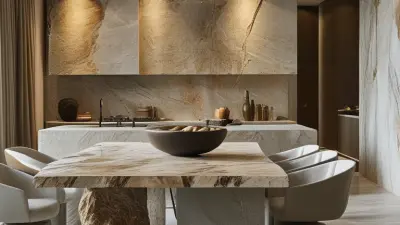
As the demand for travertine continues to rise, new sources are emerging worldwide. In 2026, buyers should consider regions like Turkey, Peru, and Mexico. Reports indicate a 25% increase in travertine exports from these countries over the last three years. These areas boast unique color variations and textures that appeal to diverse aesthetic preferences.
Exploring lesser-known regions for travertine can lead to cost savings. Some suppliers in Peru offer competitive prices, thanks to lower labor costs. However, it’s essential to evaluate the quality of the stone sourced from these less-developed quarries. While they may provide lower prices, there can be inconsistencies in quality and durability.
In addition to traditional sources, technology plays a role in sourcing. Digital platforms now connect buyers with quarries more easily. A recent survey highlighted that 55% of buyers found new suppliers through online marketplaces. This trend presents opportunities but requires careful vetting to ensure reliability and quality. Engaging with local experts can provide insights into the best practices for sourcing quality travertine in 2026.
2026 Top Travertine Trends for Global Buyers to Consider
| Region | Source Type | Quality Rating | Average Price (per square meter) | Key Characteristics |
|---|---|---|---|---|
| Italy | Natural Quarries | A+ | $45 | Unique colors, high durability |
| Turkey | Processed Stone | A | $30 | Variety of textures and colors |
| Mexico | Recycled Travertine | B+ | $35 | Eco-friendly, affordable |
| Iran | Diverse Sources | A | $40 | Rich patterns, high density |
| USA | Imported Travertine | B | $50 | Good quality, limited colors |
Innovative Designs Incorporating Travertine for Modern Spaces
In recent years, travertine has gained immense popularity in modern architectural designs. Its natural beauty and versatility make it a prime choice for various spaces. According to a 2023 industry report, the global travertine market is expected to grow by 5% annually. This trend highlights the increasing interest in sustainable and aesthetic materials in construction.
Innovative designs are now blending travertine with modern elements. For example, using travertine tiles for minimalist countertops enhances both functionality and visual appeal. The subtle hues of travertine can complement a range of color palettes, creating a seamless transition between indoor and outdoor spaces. However, achieving the perfect finish can be tricky. Each piece of stone is unique, and inconsistent sizes may complicate installations.
Another trend is incorporating travertine into landscaping. Outdoor patios and walkways featuring travertine often exude elegance. Yet, maintenance remains a concern. The porous nature of the stone requires proper sealing to prevent staining. As designers push the boundaries, they must reflect on the balance between aesthetic appeal and practical durability. While travertine offers an organic touch, the long-term upkeep must not be overlooked. This ongoing conversation in the industry emphasizes the importance of informed choices in modern design.
Sustainability Trends in Travertine Sourcing and Use
Sustainability is a pivotal focus in the travertine industry as global buyers evolve their sourcing strategies. Over the past few years, an increasing number of projects are emphasizing eco-friendly practices. According to a recent report by the International Marble Institute, around 70% of buyers now prioritize sustainable materials over aesthetic appeal. This shift signifies a deeper commitment to environmental responsibility.
Travertine, a naturally occurring stone, lends itself well to sustainable practices. It requires less energy to produce and install than synthetic alternatives. Additionally, the durability of travertine reduces the need for frequent replacements. The 2022 Global Stone Market Report highlights that using natural stone can lower carbon emissions by nearly 25% compared to artificial materials. However, not all sources of travertine adhere to these sustainable practices, highlighting the need for buyers to conduct thorough due diligence when selecting suppliers.
The use of reclaimed and recycled materials is also gaining traction. Buyers are often unaware that integrating recycled travertine can significantly enhance the sustainability of their projects. However, sourcing recycled materials may involve challenges, such as availability and quality consistency. Recognizing these obstacles is essential for those committed to sustainable construction. Making informed choices about travertine sourcing can promote environmental health and support the longevity of the industry.
Color and Texture Trends in Travertine for Global Markets
As global buyers investigate travertine trends for 2026, color and texture stand out as key factors. The subtle variations in marbling and veining within travertine offer unique aesthetics. Light beige and soft gray tones are proving popular, complementing contemporary designs. Yet, deep earthy hues are making a comeback, appealing to those seeking warmth and richness.
Textures are equally crucial in this evolving market. Polished finishes give a modern touch, while honed surfaces provide a rustic, inviting feel. Some buyers may find themselves torn. A polished surface may enhance light reflection but require more maintenance. On the other hand, honed surfaces can offer a more durable option for high-traffic areas.
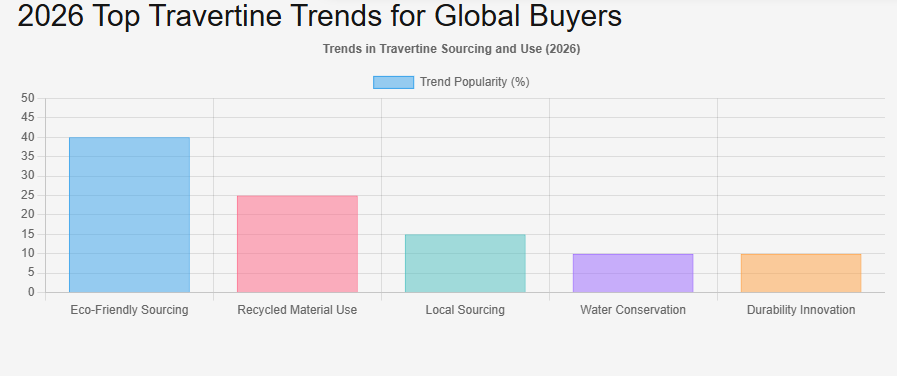
Emerging trends also highlight sustainable practices. Eco-friendly sourcing and production techniques are gaining traction. This shift invites reflection on choices and their environmental impact. Buyers must weigh aesthetics against sustainability, considering long-term consequences. Each slab of travertine carries a story, urging buyers to make informed decisions that resonate with both style and ethics.
Comparison of Natural vs. Engineered Travertine Products
When considering travertine products, it's essential to weigh the differences between natural and engineered options. Natural travertine, formed over thousands of years, offers unique textures and colors. Each piece is distinct, providing a sense of authenticity. However, it requires regular maintenance to preserve its beauty. This can be a challenge for busy homeowners or commercial spaces.
Engineered travertine, on the other hand, offers consistency in appearance and strength. These products are crafted using advanced technology to mimic natural stone. They are often easier to maintain and can resist staining more effectively. However, they might lack the character found in genuine pieces. For buyers, understanding these nuances is key to making an informed choice.
Many buyers find it helpful to assess their lifestyle needs. For high-traffic areas, engineered options might be more practical. If you're looking to create a timeless, elegant look, natural travertine could be more appealing. Balancing aesthetics and functionality is crucial. Don't overlook your long-term maintenance capabilities when selecting a product. Each option has its drawbacks, so take your time to reflect on what fits your vision best.
Impact of Travertine in Eco-Friendly Building Projects
The use of travertine in eco-friendly building projects is becoming increasingly popular among global buyers. This natural stone, known for its unique appearance and durability, is a sustainable choice. A recent study by the International Green Building Council revealed that natural stones reduce the carbon footprint of a building by up to 40%. Travertine, in particular, utilizes minimal processing, preserving its integrity and promoting sustainable practices in construction.
Beyond its aesthetic appeal, travertine promotes healthier indoor environments. Its porous nature allows for improved air quality by regulating moisture levels. This is crucial in today's eco-conscious market, where more consumers seek materials that enhance comfort while minimizing environmental impact. Data shows that incorporating natural materials boosts property values by approximately 20%. Buyers are increasingly recognizing the allure of eco-friendly options, highlighting a shift in purchasing preferences.
Despite these advantages, the travertine sourcing process raises concerns. Transportation can contribute to excessive carbon emissions if not managed properly. It's essential for buyers to seek local sources when possible. Responsible choices in sourcing can enhance the sustainability of a project. Awareness of the whole lifecycle of a material is necessary for truly eco-friendly building practices. This realization is vital for those engaged in the evolving market of green construction.
Trends in Travertine Finishes and Applications for 2026
The travertine market is evolving, with trends for 2026 reflecting diverse finishes and applications. Current data from the Global Stone Market Report highlights a preference for textured surfaces. A substantial 60% of buyers are gravitating towards rustic finishes that enhance natural beauty. Textured travertine adds depth and visual interest to spaces, making it ideal for both indoor and outdoor applications.
Additionally, there is a noticeable rise in the use of honed finishes. They offer a subtle elegance, suitable for modern architecture. The research indicates that honed travertine is predicted to capture a 30% share of the market in 2026. This shift emphasizes a growing desire for understated luxury in design. Furthermore, sustainable sourcing remains a priority for consumers. As the demand for environmentally friendly materials increases, manufacturers are adapting to these requests.
Still, challenges exist. Many buyers express concern over quality inconsistencies. Variability in color and texture can lead to apprehension when making large-scale purchases. Buyers are urged to collaborate closely with suppliers, focusing on certification and quality assurance. Addressing these issues is crucial for fostering trust and ensuring customer satisfaction in the upcoming market landscape.
FAQS
: What are the benefits of using travertine in modern designs?
: Travertine is popular for its natural beauty and versatility. It enhances aesthetics and functionality in various spaces.
How should travertine be maintained outdoors?
Why is sustainability important in travertine sourcing?
What issues might arise with travertine quality?
How does travertine compare with synthetic materials?
What trends are emerging in travertine finishes?
What challenges come with sourcing recycled travertine?
How can buyers ensure they select sustainable travertine?
What is the importance of certification for travertine?
What do buyers want in the travertine market?
Conclusion
The article "2026 Top Travertine Trends for Global Buyers to Consider" explores the evolving landscape of travertine, highlighting emerging sources and innovative design applications. As global buyers seek unique materials, the demand for travertine continues to grow, with recommendations on where to acquire this versatile stone. The piece emphasizes the sustainability trends in travertine sourcing, advocating for eco-friendly practices in the building industry.
Furthermore, the article delves into the latest color and texture trends that appeal to diverse markets, alongside a comparison of natural versus engineered travertine products. With a focus on various finishes and applications, it underlines the impact of travertine on modern architectural projects, especially within eco-conscious initiatives. Overall, the trends outlined provide valuable insights for those looking to incorporate travertine into contemporary designs while championing sustainable choices.
CATEGORIES
Payment Support
-
Below payment terms accpeted by us :
1.Telegraphic Transfer(TT);
2.Irrevocable L/C at Sight;
3.100% Full Cash;
4.Credit Payment (After Becoming Our Old Client For One Year);
5.You could get prices lower than our costs after US$10,000 is recharged into your VIP card, which is valid in half year.