How to Choose the Best Natural Stone for Your Project?
Picking the right Natural Stone for your project isn’t always a straightforward thing. There are quite a few things to think about—like the stone’s color, texture, and how tough it is. These things not only shape how it looks, but also how well it performs in different settings. For example, granite is super durable, so it’s perfect for kitchen countertops. On the other hand, marble adds a touch of elegance and is often used for flooring because of its beautiful appearance.
Also, it’s really important to know where your stone is coming from. Ethical sourcing matters—it’s about making sure your materials are environmentally friendly and support fair practices. Places like Stone Universe Inc. focus on sustainable methods, which adds a little extra peace of mind when choosing your stone. That said, it’s worth asking yourself: does the stunning look of Natural Stone outweigh any possible downsides?
Each option has its ups and downs, so it’s good to give it some thought. For instance, slate can give your project a unique vibe, but it might need a bit more upkeep compared to other materials. Chatting with experts can really help shed some light on what’s best for your specific needs. All in all, taking the time to weigh the pros and cons of Natural Stone will pay off when it comes to getting the results you really want—more satisfying and successful in the long run.

Table of Contents [Hide]
1 Understanding the Different Types of Natural Stone Available
2 Evaluating the Aesthetic Qualities of Natural Stone
3 Assessing Durability and Maintenance Requirements of Natural Stone
4 Considering Environmental Impact and Sustainability of Stone Options
5 Budgeting for Your Natural Stone Selection: Costs and Value
6 Choosing the Right Finish and Texture for Your Natural Stone
7 Consulting with Professionals for Expert Guidance on Stone Choices
Understanding the Different Types of Natural Stone Available
Natural stone offers beauty and durability for various projects. However, understanding the different types is crucial. Slate, for example, has a unique layered appearance. It is often used in flooring and roofing due to its waterproof qualities. Granite, on the other hand, is tough and comes in many colors. It is frequently chosen for countertops and outdoor surfaces.
Limestone has a softer look and texture. This stone is suitable for creating stylish features like patios. However, it can be prone to staining. Marble is another elegant choice, often used for tiles and sculptures. While beautiful, it requires regular maintenance to avoid etching. Each stone type brings its own character and challenges.
Choosing the right natural stone can feel overwhelming. Consider the project’s purpose and location. Ask yourself: will the stone withstand changing weather? Think about aesthetics, too. The right choice should complement your vision while being practical. Sometimes, a less popular stone may be perfect for your needs. Always reflect on your options before making a final decision.
Evaluating the Aesthetic Qualities of Natural Stone
When evaluating the aesthetic qualities of natural stone, color and texture play crucial roles. Different types of stone offer unique palettes that can complement various design schemes. For instance, granite typically features a speckled appearance, while marble presents more fluid vein patterns. According to a 2022 survey by the Natural Stone Institute, 78% of architects prioritize visual appeal when selecting materials for projects.
Additionally, the finish of the stone impacts its overall look. Polished surfaces reflect light and create a sleek appearance, whereas honed finishes provide a softer, more matte effect. In a recent trend analysis, 62% of designers noted an increasing preference for textured finishes that add depth to installations. However, it can be challenging to strike the right balance. A highly textured stone might detract from other design elements if not chosen carefully.
Understanding how natural light interacts with stone is also vital. Different stones react differently to light, affecting their visual impact throughout the day. Some stones may appear darker in shadow, altering their perceived color and texture. This complex interaction can lead to unexpected results, making it essential to visualize the stone in the intended space before making a commitment. Accurate visualizations can mitigate risks, ensuring the final outcome meets initial expectations.
How to Choose the Best Natural Stone for Your Project? - Evaluating the Aesthetic Qualities of Natural Stone
| Stone Type | Color Options | Texture | Durability | Common Uses |
|---|---|---|---|---|
| Granite | Black, Gray, White, Red, Green | Smooth, Polished | High | Countertops, Flooring, Cladding |
| Marble | White, Black, Beige, Green | Veined, Polished | Medium | Flooring, Walls, Slabs |
| Limestone | Beige, Tan, Gray | Rough, Textured | Medium | Patios, Gardens, Walls |
| Slate | Gray, Blue, Green, Purple | Textured, Natural Split | High | Roofing, Flooring, Outdoor Spaces |
| Soapstone | Gray, Green, Brown | Smooth, Soft | Medium | Countertops, Sinks, Fireplaces |
Assessing Durability and Maintenance Requirements of Natural Stone
When choosing natural stone for your project, assessing its durability and maintenance needs is vital. Different stones have different properties, impacting their longevity. Granite, for example, is highly durable and resistant to scratches. In contrast, softer stones like limestone may wear down more quickly in high-traffic areas. Think about how long you want your stone to last and what environments it will face.
Maintenance requirements vary significantly between types of natural stone. Certain stones need regular sealing to prevent staining. Others may require specific cleaners to maintain their appearance. If you're busy or prefer low-maintenance options, consider durable stones with less upkeep.
Before making a choice, evaluate the texture and finish of the stone. A polished surface looks stunning but may require more care. A honed finish is less slippery and easier to maintain. Think about your lifestyle. If you have kids or pets, a tougher, less maintenance-intensive stone might be better suited for your home. Always weigh the pros and cons before deciding.
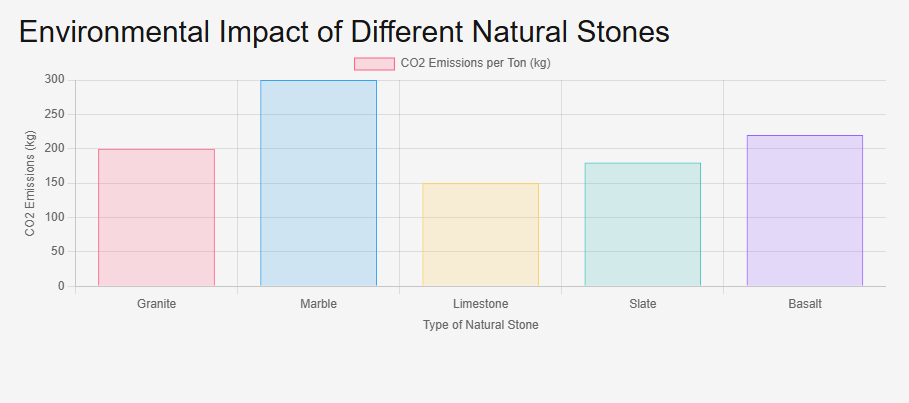
Considering Environmental Impact and Sustainability of Stone Options
When selecting natural stone for a project, environmental impact and sustainability should be key considerations. Many stone types come from quarries that may harm local ecosystems, so understanding their sourcing can make a difference. Locally sourced stones often have less transportation impact and lower carbon footprints. Choosing materials native to the area can also enhance the aesthetic appeal of your project.
It's crucial to be aware of the lifecycle of the stone you choose. Some stones require extensive processing, which consumes energy and generates waste. Opting for stones that undergo minimal processing reduces these impacts. For example, selecting a stone that can be finished on-site may minimize resource use and pollution.
Consider recycled stone options, too. They offer a unique character and lower environmental impact. Salvaged stones can have a rich history, giving your project a sense of narrative and uniqueness. While these options may require extra effort to source, the payoff can be significant, leading to more sustainable practices in the industry. Embracing these choices fosters a healthier planet for future generations.
Budgeting for Your Natural Stone Selection: Costs and Value
When budgeting for natural stone, it’s essential to consider not only the initial costs but also the long-term value. Natural stone can vary greatly in price, depending on the type and source. Local stones might cost less due to lower transportation fees. However, imported stones could bring a unique aesthetic, justifying their higher price tag. Evaluate what aligns with your project budget.
Beyond the purchase price, maintenance costs should be factored in. Some natural stones may require sealing or specific cleaning products, which can add to your long-term expenses. Additionally, consider the installation costs. A professional installation can enhance the final look but may stretch your budget. Mistakes during DIY installations can lead to additional costs down the line, demanding a reflective approach to the process.
Looking at the overall value is crucial. A more expensive option might offer durability and timeless style, potentially saving you money in repairs or replacements in the future. It’s a balance between immediate financial constraints and the stone’s longevity. Always reflect on the broader picture before making a choice. Choosing wisely today may prevent regrets tomorrow.
Choosing the Right Finish and Texture for Your Natural Stone
Choosing the right finish and texture for your natural stone can significantly impact your project's aesthetic and longevity. For instance, polished finishes create a glossy effect but can be slippery, making them less suitable for flooring in wet areas. A honed finish, on the other hand, offers a matte appearance and provides better traction, reducing slip hazards.
Reports suggest that the choice of stone finish affects durability and maintenance. Textured finishes can hide scratches and wear better than smooth surfaces. However, they can be harder to clean. In contrast, polished surfaces are easier to maintain but require regular polishing to keep up their shine. Understanding these characteristics can help you find a balance between beauty and practicality.
One crucial factor to consider is the environment where the stone will be placed. Outdoor areas may require a more textured finish for safety during wet weather. Indoors, particularly in high-traffic areas, consider how the finish will hold up over time. It's essential to reflect on these details rather than solely focusing on aesthetics. Taking the time to think through your selection can lead to a more successful outcome in your natural stone project.
Consulting with Professionals for Expert Guidance on Stone Choices
Choosing the right natural stone for your project can be overwhelming. Consulting with professionals is crucial. Experts have deep knowledge of different stone types and their characteristics. They can recommend options based on your specific needs.
When discussing your project with professionals, share your vision and requirements. Provide details about the setting and style. Expert guidance helps narrow down choices. They can point out the pros and cons of each stone type. Some stones may be more durable, while others offer unique aesthetics.
Professional consultations are not just about choosing a stone. They also consider maintenance and installation factors. This valuable insight can inform your decision and prevent costly mistakes. Reflecting on your options with a knowledgeable perspective is essential. Each choice has lasting implications for your space.
FAQS
: What should I consider when choosing natural stone for durability?
: Assess the stone's properties. Some stones, like granite, are durable, while others, like limestone, may wear faster.
How do maintenance requirements differ among natural stones?
What finishes should I consider for easier maintenance?
How can my lifestyle affect stone choice?
Why is sourcing important when choosing natural stone?
What should I know about the lifecycle of natural stone?
Are there sustainable options for natural stone?
Is it worth the effort to use salvaged stone?
Can the aesthetic appeal of local stones impact my project?
Conclusion
When selecting natural stone for a project, it is crucial to understand the various types available, each offering unique aesthetic qualities and characteristics. Evaluating the durability and maintenance requirements is essential to ensure long-lasting beauty and functionality. Additionally, considering the environmental impact and sustainability of the chosen stone can contribute to more responsible decision-making.
Budgeting is another key aspect; it is important to weigh the costs against the value provided by the natural stone. The right finish and texture can enhance the overall appearance, while consulting with professionals can provide expert guidance, helping you make informed choices that align with your project needs. By considering these factors, you can effectively choose the best natural stone that suits both your aesthetic desires and practical requirements.
CATEGORIES
Payment Support
-
Below payment terms accpeted by us :
1.Telegraphic Transfer(TT);
2.Irrevocable L/C at Sight;
3.100% Full Cash;
4.Credit Payment (After Becoming Our Old Client For One Year);
5.You could get prices lower than our costs after US$10,000 is recharged into your VIP card, which is valid in half year.